

Autoblog Compares the 2026 RAV4 Plug-in Hybrid GR Sport, with the Tucson N-Line HEV
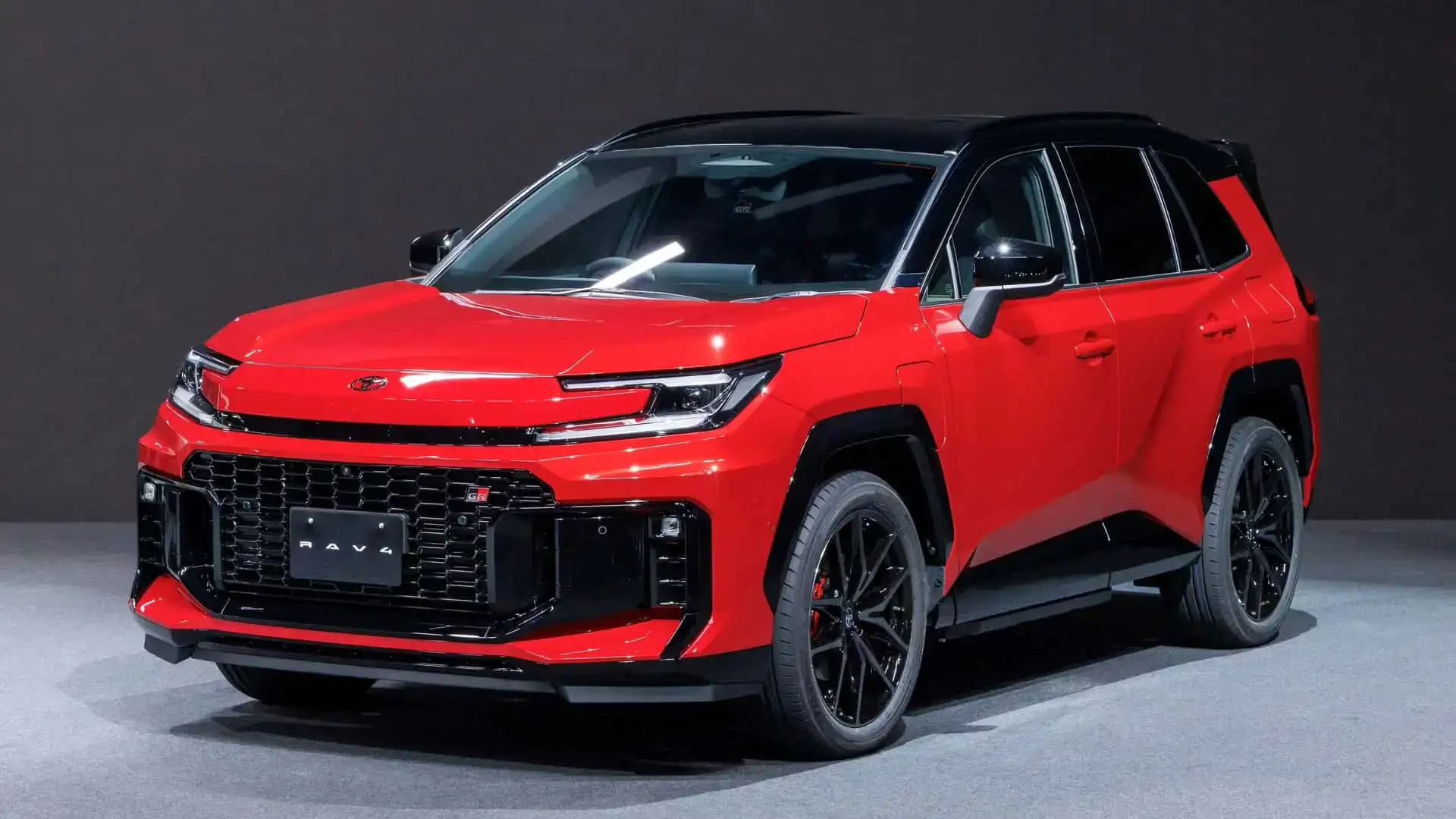 Autoblog recently did a compare-and-contrast of two relatively niche crossovers, which is somewhat unusual because you can’t even buy one of them anymore, at least in the U.S. They looked at the 2026 Toyota RAV4 Plug-In Hybrid GR Sport and the 2026 Hyundai Tucson N Line HEV to see which you should buy. Sharp Automotive explains what this is all about.
The existence of these two models stems from the fact that, as usual with cars, women are the most reasonable. They are perfectly happy gobbling up crossovers because they are practical and efficient. Men, on the other hand, or at least a significant number of them, will gravitate toward significantly less efficient or comfortable body-on-frame SUVs because of their superior off-road ability, even if their outdoor activities are no more adventurous than golf and gardening.
Thus, to bring in the guys, the marketplace is now filled with Woodlands, TrailSports, Rock Creeks, XRTs, and Wilderness’ models that all sacrifice efficiency and handling for all-terrain tires, may include a skid plate or two, rugged body cladding, and off-road aesthetics.
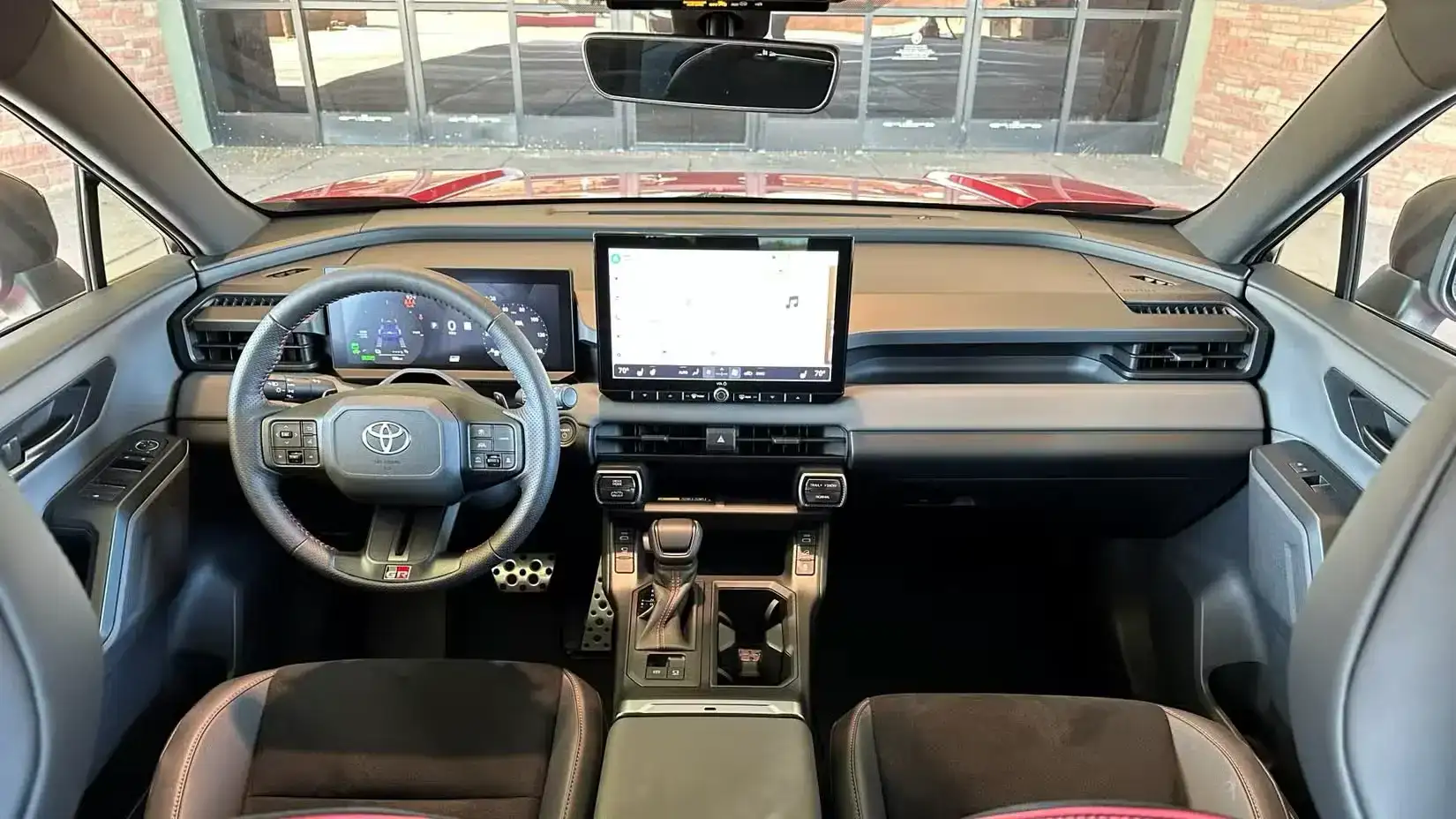
There is another time-honored way of catching the men, however, that both Toyota and Hyundai pursued with these models, and that is to make them look, and maybe even be faster. Hyundai’s N-Line and Toyota’s GR Sport monikers both leverage the visual identity of their brand’s hardcore N and GR sub-brands, but without the same cost and high-performance commitment.
Both models look the part, with larger wheels, more aggressive grilles, and other sporty details. The RAV4 may pull it off better because it is an entirely new model, and the designers likely had this variant in mind. Thus, it also features wider 20-inch wheels, a 0.6-inch suspension drop, reinforced crossmembers, stiffer dampers and springs, and optional summer tires.
By contrast, the Tucson’s design has been around since 2020, and its go-fast enhancements are more limited. The second most significant difference between the two models is that the Tucson N-Line HEV is a conventional hybrid, while the RAV4 Plug-In Hybrid GR Sport, as its name suggests, is a plug-in hybrid. This means that after a full charge, the RAV4 can operate on electricity alone for up to 52 miles. If that is more than your daily commute or drive routine, it essentially becomes an EV day-to-day until you take a longer trip. Thus, the RAV4 could go weeks or even months without refueling.
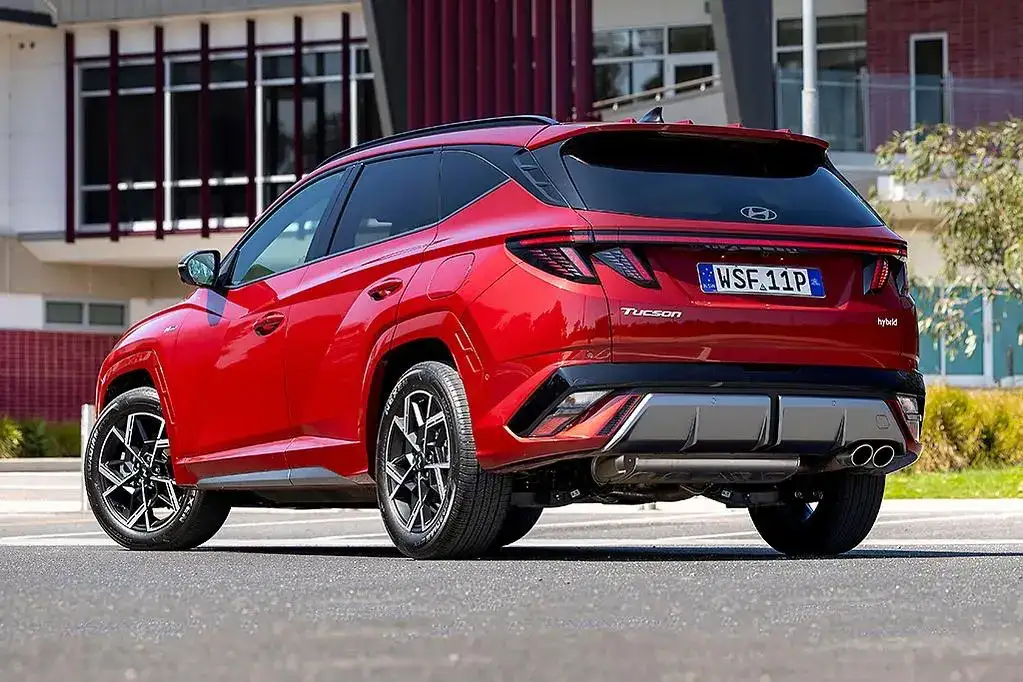
Having motors powerful enough to move the RAV4 around this way means the system produces 324 horsepower. That is over 100 more horsepower than the N-Line. The flip side is that the larger battery and motors add more than 700 pounds to the Tucson, making it considerably more expensive. But no matter, because the primary difference between the two models is that the Tucson N-Line HEV is no longer available in the U.S. You can still pick one up in Canada. However, as the Tucson is at the end of its design cycle, the U.S. is asked to wait for the next generation, which will probably arrive in the 2027 model year.
Until then, the RAV4 carries its hybrid hotrod status on its own and delivers on it pretty well. Despite its extra weight, the RAV4 can accelerate from 0 to 60 mph in just 5.6 seconds, and its lower ride height and tauter suspension keep it relatively level in the curves.
So if you want fast, efficient performance, represented by a bit of overt go-fast eye candy, the RAV4 Plug-in Hybrid stands alone. If you want to drive one, let one of the Sharp Automotive sales professionals know. As of this writing, the 2026 RAV4s are just hitting our inventory, but they can let you know when the first RAV4 Plug-in Hybrid GR Sport arrives.
0 comment(s) so far on Autoblog Compares the 2026 RAV4 Plug-in Hybrid GR Sport, with the Tucson N-Line HEV