

How Off-road Modifying Your Canyon Affects Your Fuel Economy
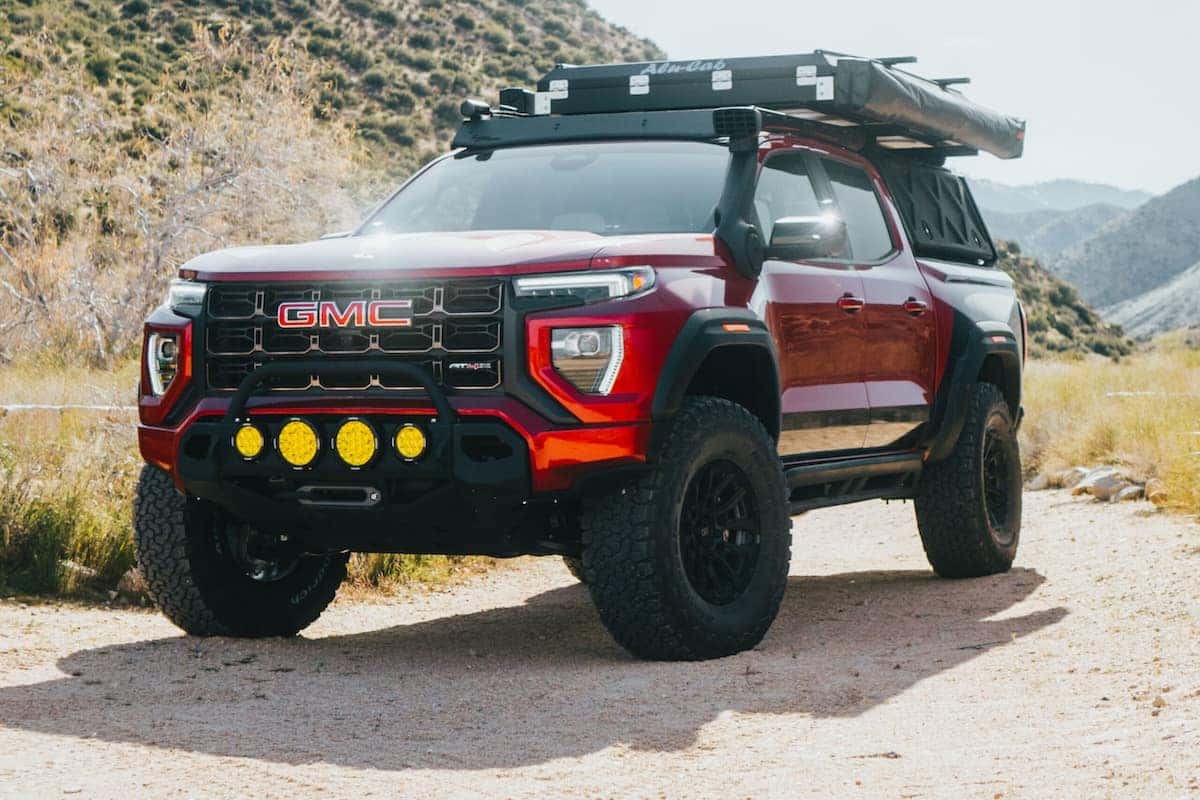
Modifying your truck with the right off-road features can bolster your ability and confidence in the rough stuff, and it makes your truck look great! Unfortunately, it can come at a cost of on-road fuel economy. TFLTruck, a website dedicated to trucks, was curious to know how much, and the lending of an extreme overland build on a GMC Canyon gave them the opportunity. They gave it a 100-mile MPG test alongside a stock Chevrolet Colorado Trail Boss, and Sharp Automotive highlights what they found.
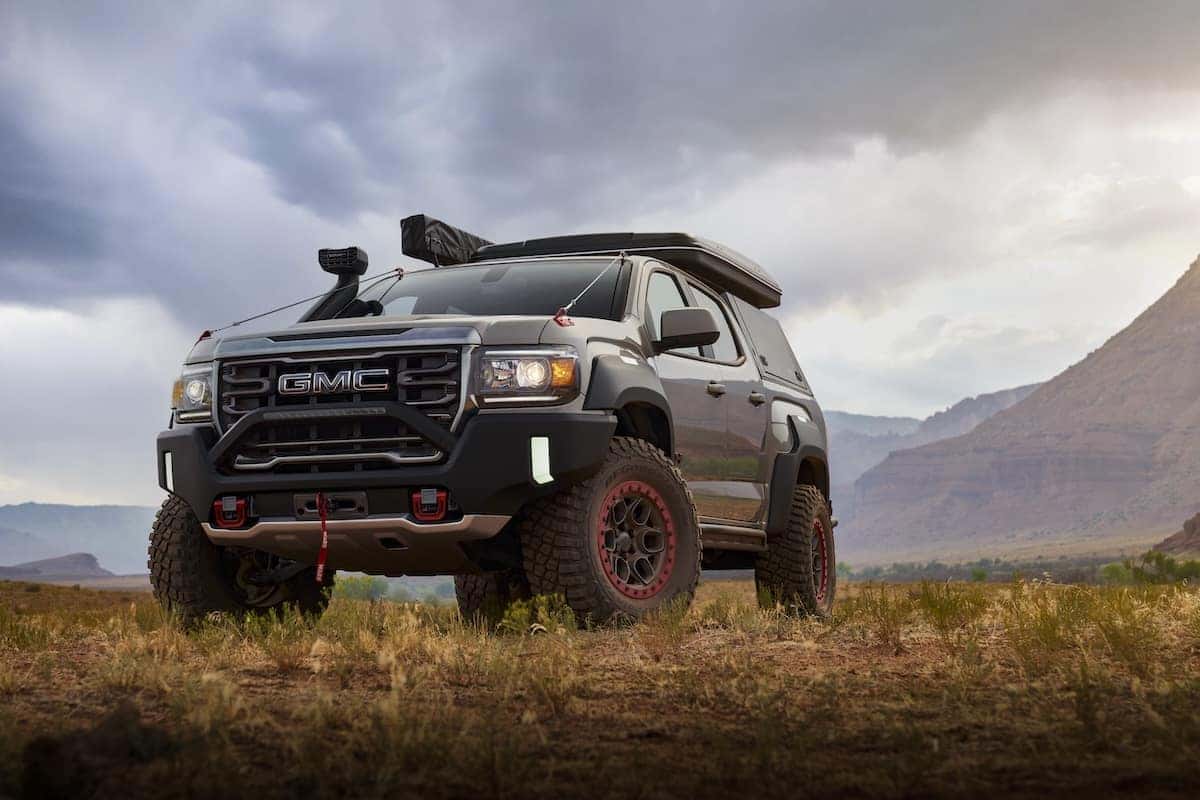
The Chevy and Colorado trucks in the test are both equipped with the High Output version of the turbocharged 2.7-liter inline-4 that powers the Colorado and Canyon model lines. One of the testers’ personal vehicles, the Colorado, is bone stock, aside from some mudflaps. By contrast, the Canyon started as an AT4X and has become an “Ultimate Build” aimed at overlanding, created by GMC and aftermarket suppliers as a showpiece for an Overland Expo event being held in Denver.
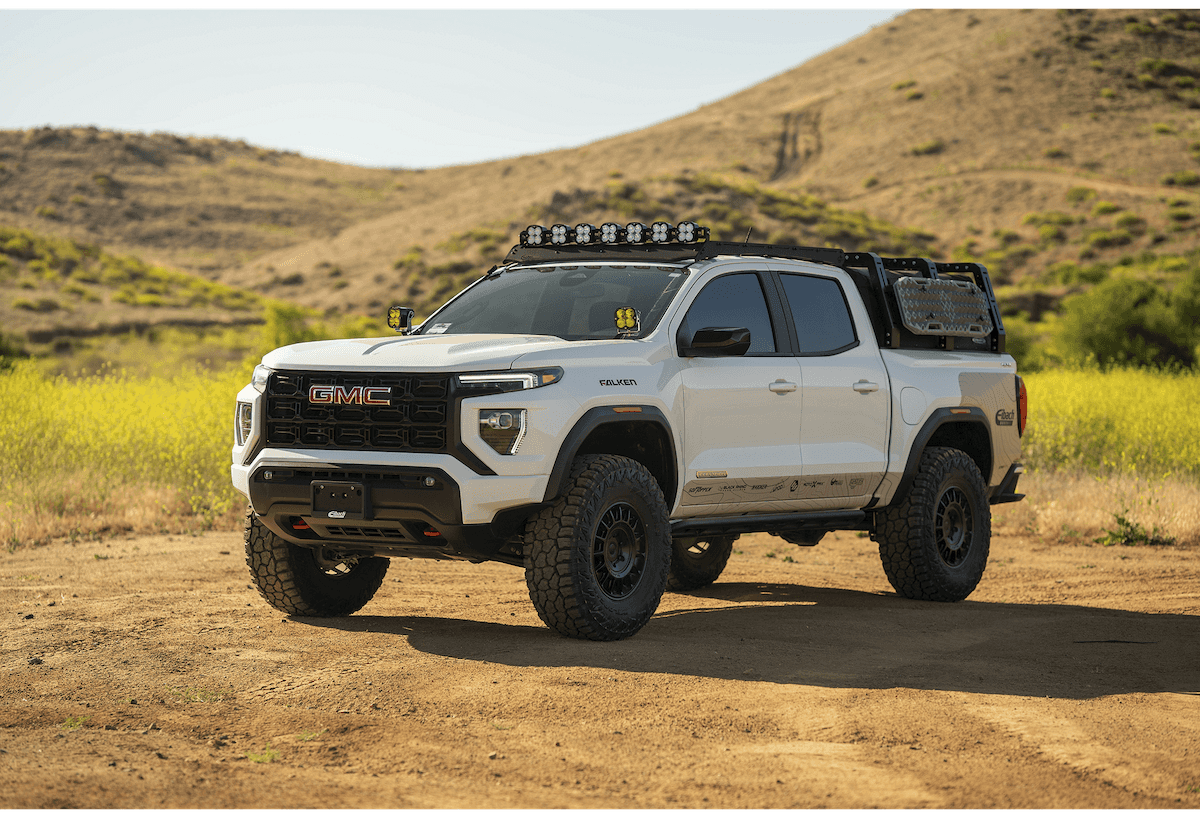 While not a Canyon AT4X AEV Edition, it is modified similarly, followed by some extraordinary overlanding enhancements offered by aftermarket suppliers. The Canyon is lifted to the same height as an AEV Edition and rides on similar 35-inch all-terrain tires. The engine is modified only by an intake snorkel that rides up the driver-side A-pillar and a Magnaflow exhaust at the other end, providing additional off-road clearance. Otherwise, the engine is identical to the Colorado’s, and both are mated to an 8-speed transmission and have the same 3.42:1 rear axle ratio.
As mentioned, the Canyon AT4X is outfitted with features similar to the AEV Edition, including front and rear steel bumpers that increase approach and departure angles. The front bumper features accessory off-road lights and a built-in winch. AEV also provided the five-skid plate package underneath. At the top is a study rack over the bed and cabin with a top-mounted wedge camper tent. Also attached to the rack is an awning and outside shower system. In the bed is a drawer storage system, and there are additional side storage boxes featuring air and water tanks, a solar-powered house battery system, and enough additional gear to enable cooking, sleeping, and exploring in the wild for multiple days.
The truck definitely looks the part, but there is no doubt that weight and aerodynamic drag have been added. Since non-overlanding trucks are expected to haul things, they chose to even things out in terms of weight by adding a pair of big GM transmissions into the Colorado’s truck bed.
The route is a loop highway around Denver, which Google designates as 111 miles in circumference. After topping off the tanks, the vehicles convoyed together around the loop at the same highway speeds. Then, the testers returned to the same gas station and topped off their tanks at the same pumps in case there were cut-off differences.
The Colorado consumed 4.627 gallons for the trip, which, when divided by 111 miles, showed a fuel mileage of 23.8 mpg, which is what the trip computer read. This was slightly better than the EPA estimated highway figure of 23 mpg for the truck. The modified Canyon consumed 6.578 gallons for the same trip, which calculates to 16.9 mpg. This is better than the 14.3 reading from the trip computer and a little better than the AT4X AEV Edition’s rating of 16 highway mpg. It is also about the same as a stock Sierra 1500 AT4 with the same engine.
The 6.9 mpg difference is sobering, particularly if the modified truck would be a daily driver. However, it is unlikely to keep dedicated overlanders from doing their thing. It is simply another cost of the activity.
The Chevrolet Colorado and GMC Canyon twins are both solid mid-size pickup truck choices, whether you keep them as they rolled out of the factory or enhance them to fit your passions. You can find them both and their chief competitor, the redesigned Toyota Tacoma, and test them back-to-back, all at Sharp Automotive.
0 comment(s) so far on How Off-road Modifying Your Canyon Affects Your Fuel Economy