

Section 179 Tax Deduction

If you manage a small or medium-sized business that relies on vehicles, understanding the Section 179 tax deduction can be truly advantageous for you. This part of the Internal Revenue Code allows business owners to deduct the full purchase price of qualifying trucks, vans, or SUVs, rather than spreading the deduction over several years. Usually, the vehicle should weigh over 6,000 pounds and be used more than 50% of the time for your business. This benefit also applies to other capital expenses, like equipment and software you buy during the year. For 2025, the deduction limit can be as high as $1,250,000, and it’s typically adjusted for inflation. Remember, to qualify, the vehicle must be used more than 50% for business purposes. Sharp Automotive gives you the details.
Qualifying Models
You can deduct the total purchase price for models that weigh 6,000 pounds or more, but don’t worry—you can also make smaller upfront deductions for smaller vehicles. To qualify for a Section 179 deduction of the full purchase price, vehicles need to meet the following requirements:
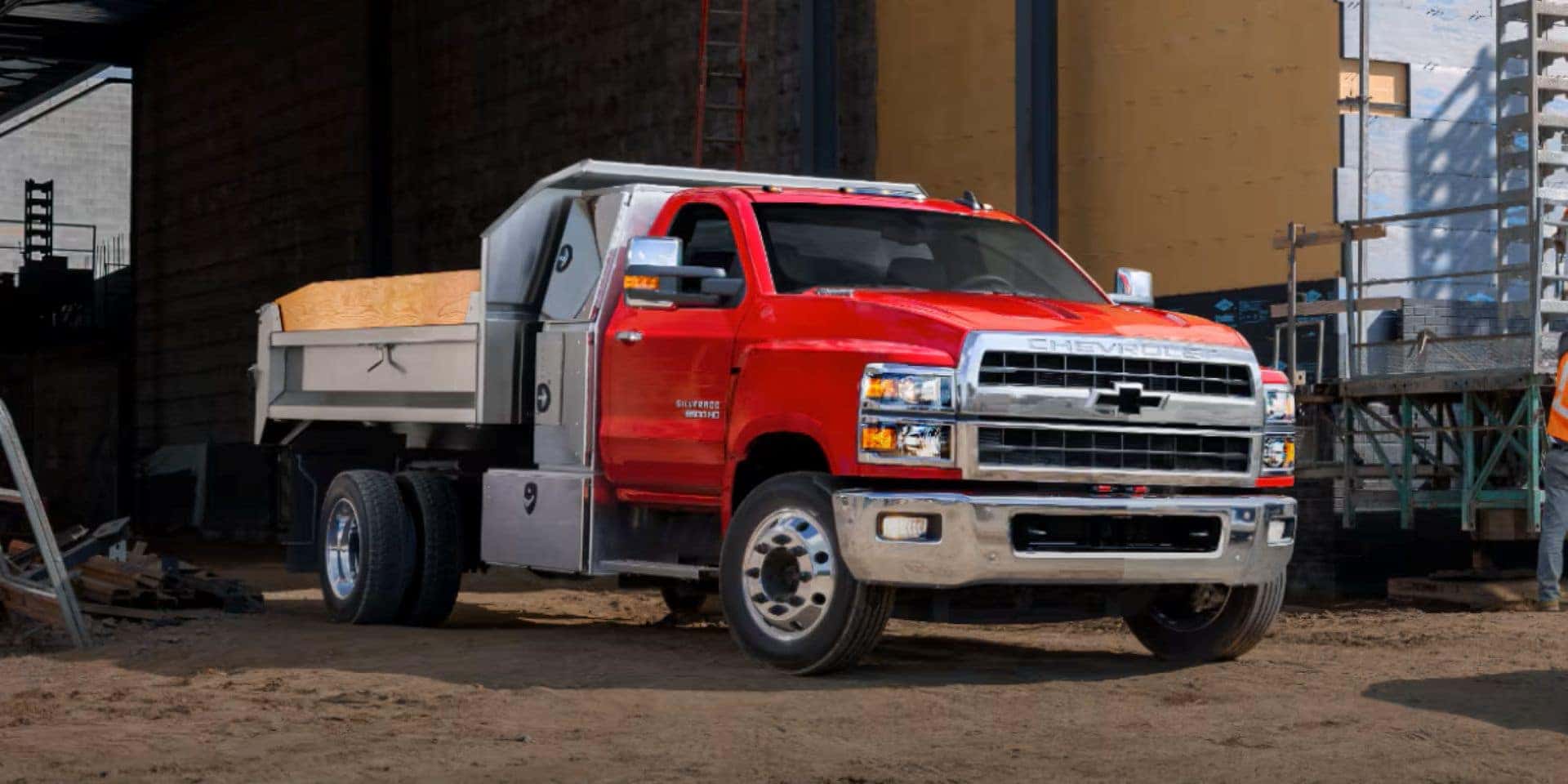
- Apparent non-personal “work” vehicles, such as dump trucks, backhoes, farm tractors, and similar equipment.
- Specialty vehicles for specific purposes (hearse, ambulance, etc.)
- Delivery vehicles (cargo vans, box trucks)
- Heavy SUVs, pickups, and vans with a Gross Vehicle Weight Rating (GVWR) over 6,000 lbs.
Consequently, GM models qualify for Section 179 in the following ways:
Up To $31,300 Deduction
Heavy SUVs and trucks that are between 6,000 and 14,000 pounds GVWR include:
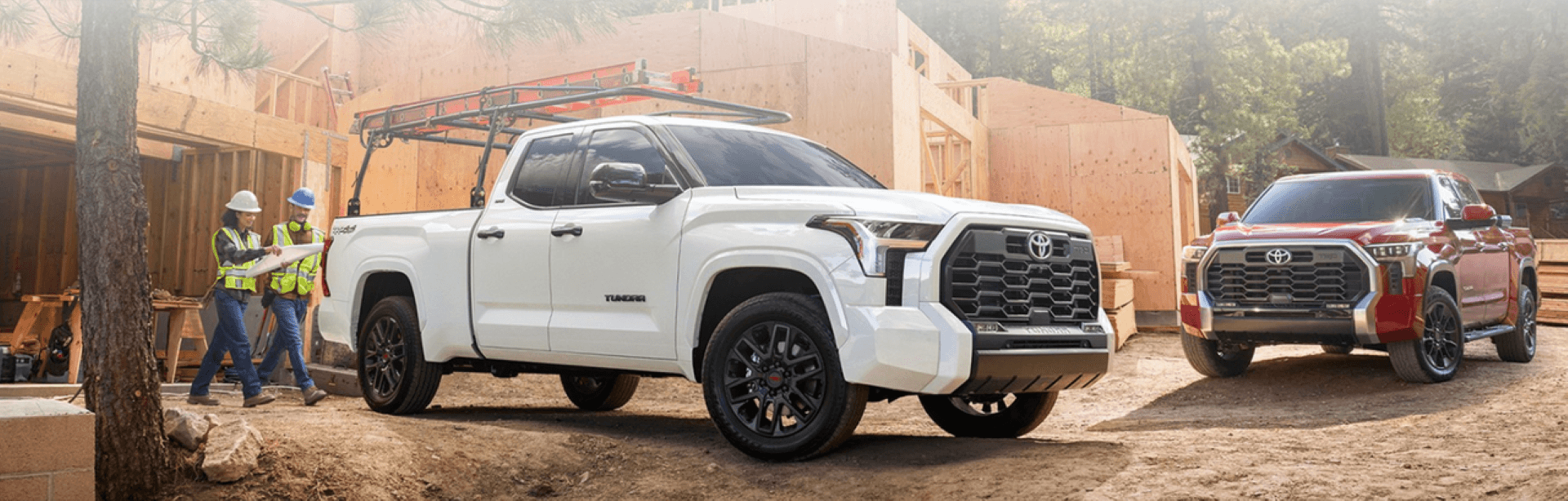
- Silverado/Sierra 1500 / 2500 / 3500 and Tundra– Standard and Long Bed
- Silverado/Sierra 3500 HD Chassis Cab
- Express/Savana Cargo Van
- Express/Savana Passenger Van (10+ passenger seating only)
- Express/Savana Cutaway
- Silverado/Sierra EV
- Hummer SUV & Pickup EV
Up To $12,200 Deduction
Applies to vehicles of up to 6,000 pounds GVWR:
- Silverado 1500/Sierra 1500 – Short Bed
- Colorado/Canyon/Tacoma
- Tahoe/Yukon/Sequoia
- Suburban / Yukon XL
- Traverse/Acadia/Grand Highlander
- Express/Savana Passenger Van (below 10 passenger seating)
Bonus 2025 Depreciation
Once a business applies Section 179, it can also take advantage of bonus depreciation to further reduce costs for qualifying assets. In 2025, the bonus depreciation rate is 40%. This means that after claiming the Section 179 deduction, 40% of what’s left can be depreciated in the first year. Bonus depreciation applies to both new and used vehicles, making it a flexible option for many businesses.
Vehicle Usage Qualifications
When deducting a vehicle under Section 179, ensure that it is registered in the name of your business, as this is a critical requirement for claiming the deduction. The primary condition is that more than 50% of the vehicle’s mileage should be for legitimate business purposes. It is important to note that commuting does not constitute business use, and the Internal Revenue Service (IRS) maintains strict guidelines on this matter. Merely having a business logo or advertising on the vehicle’s exterior does not automatically qualify your commute as business use. Additionally, if you are on a call or traveling with a passenger for business during your commute, such activities do not count as business use of the vehicle.
You should keep detailed records of your business vehicle use, such as mileage logs, original invoices, and related expenses, to demonstrate that over 50% of the vehicle’s use is for work. There are convenient smartphone apps explicitly designed to help track this. As with other important business documents, store these records for three years after filing your taxes in case the IRS needs to review them during an audit.
Financing Or Purchasing Used Vehicles
The positive news is that it is possible to finance a qualifying used vehicle over multiple years while still remaining eligible for the applicable purchase deduction. The timing of the purchase is irrelevant; for example, acquiring the vehicle on December 31st permits you to claim the full deduction, although it may not be advisable to delay until that date.
Understanding the Section 179 deduction is essential for small business owners looking to maximize their tax savings. This overview is only a starting point, so Sharp Automotive recommends consulting a tax professional and staying current on the latest tax laws to fully take advantage of this important tax benefit.
0 comment(s) so far on Section 179 Tax Deduction