

Understanding Tongue Weight Capacity: When Towing Saves Lives

There is a lot of information associated with towing that can make beginners’ heads spin. They may get intimidated and decide not to tow anything, or they may risk just hooking something up and get going, believing it’ll be fine. One of the first steps to becoming proficient at towing is to understand the tongue weight of your vehicle before attaching anything to your hitch. Learning this can save lives, so let’s dive in.
What Is Tongue Weight?
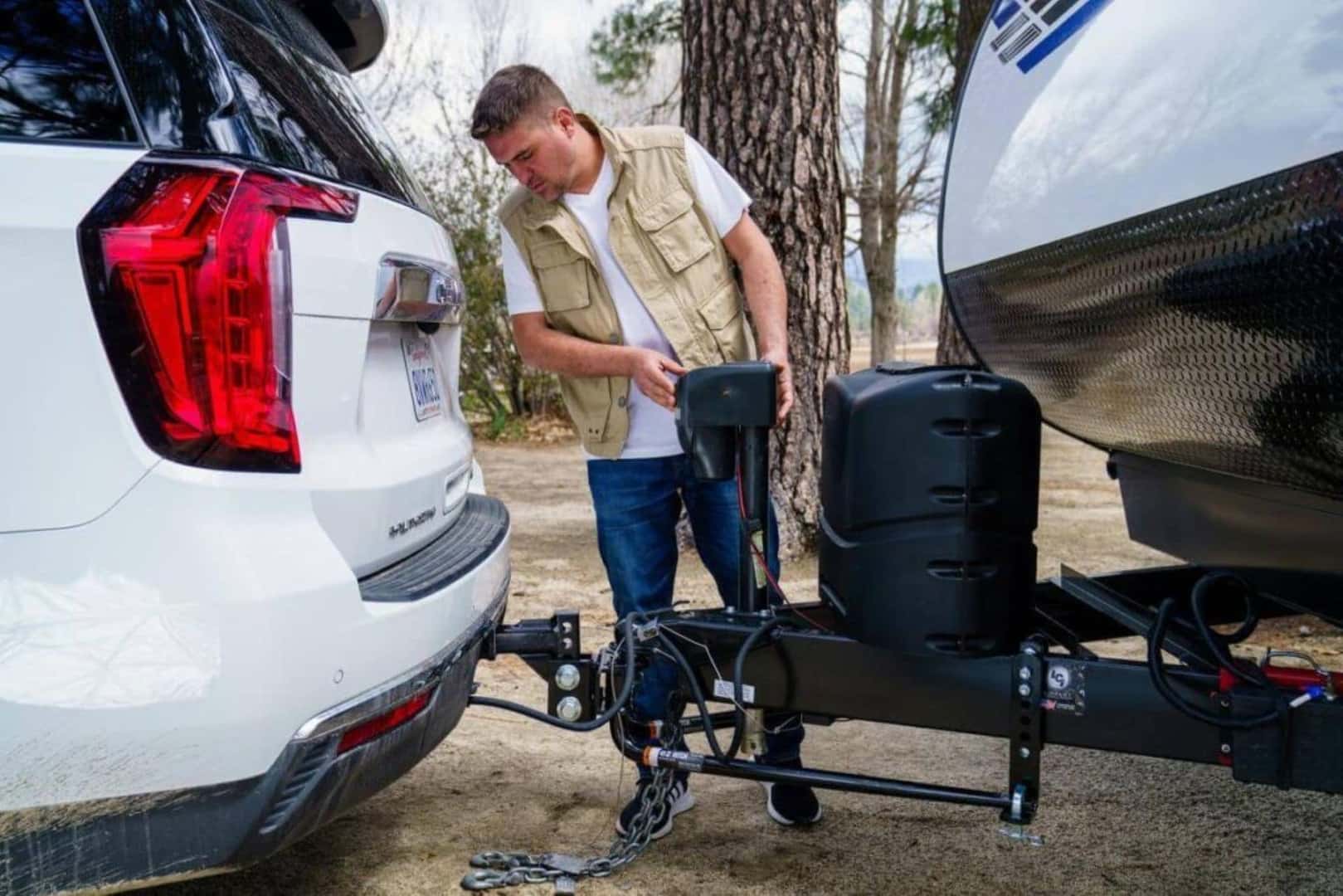
Before going too deep, know that tongue weight is literally how much weight the trailer pushes down on the hitch ball. This number will vary depending on what you are towing. Your vehicle’s tongue weight capacity is directly related to how much weight you tow and must never exceed 10-15% of that number.
Understanding Tongue Weight
Increasing or decreasing the amount of weight pushing down on the trailer hitch directly results from weight distribution. If you tow something with a lot of weight on the front of the trailer, then the tongue weight will be higher, potentially an excessive amount. Something that has a lot of its weight on the back of the trailer will decrease the weight on the hitch. Too much or too little weight can have negative effects when towing. You want to always be within the 10-15 percent sweet spot. This ensures a proper balance of weight between the front and rear of the trailer, and in turn, what is best for your vehicle’s chassis, suspension, brakes, and steering.
Calculating What Your Tongue Weight Should Be
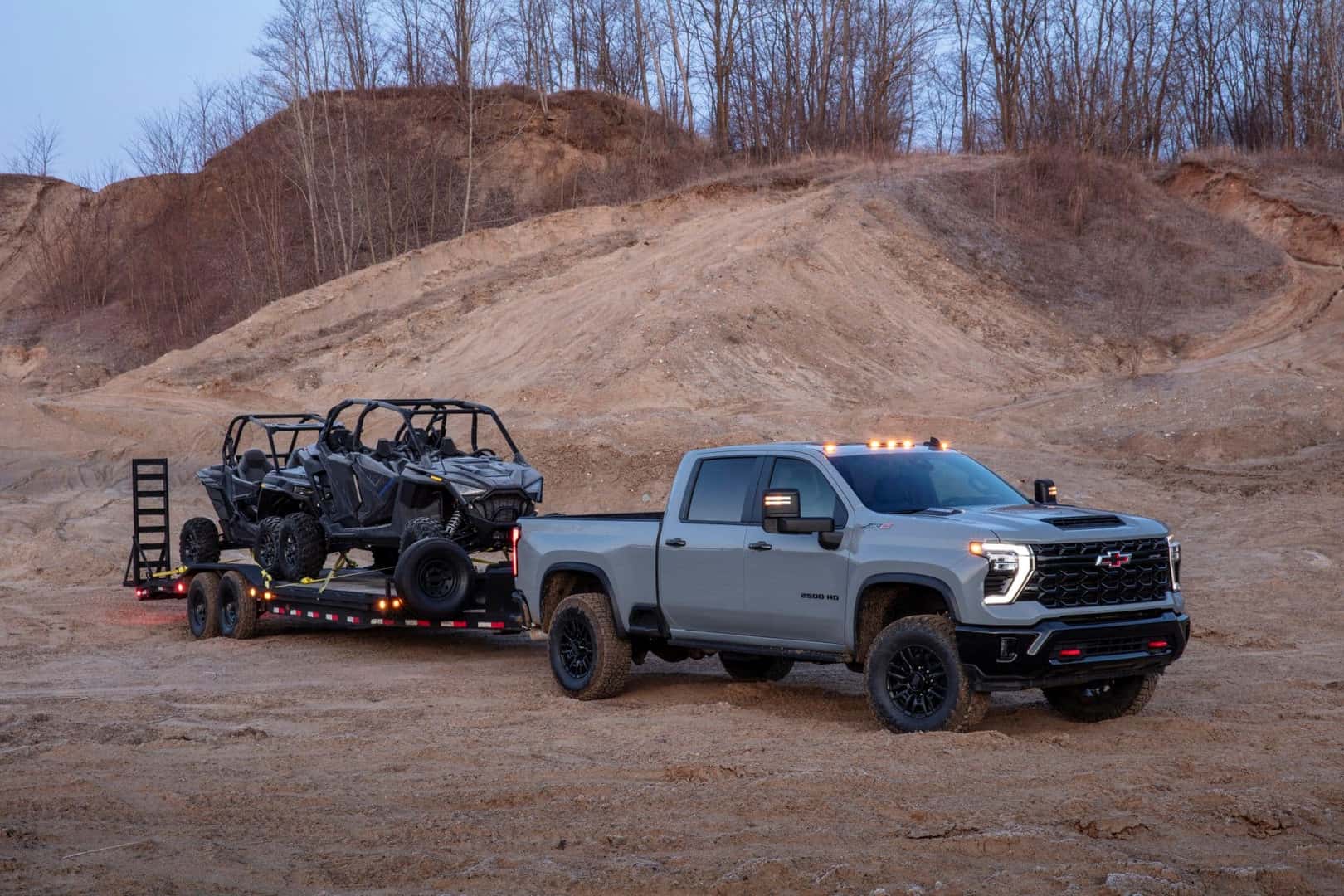
Let’s get an understanding of what 10-15% really means when towing. So, say you are towing a total of 8,000 lbs. This means your tongue weight should be between 800 and 1,200 lbs. Every trailer hitch will have its own maximum capacity, so purchase a receiver accordingly. Whether you are shopping on Amazon, at Harbor Freight, Tractor Supply, Walmart, or some other type of store that sells trailer hitches, there will be a maximum towing capacity listed on each one you are looking at.
Weight Balance Is Crucial, Too
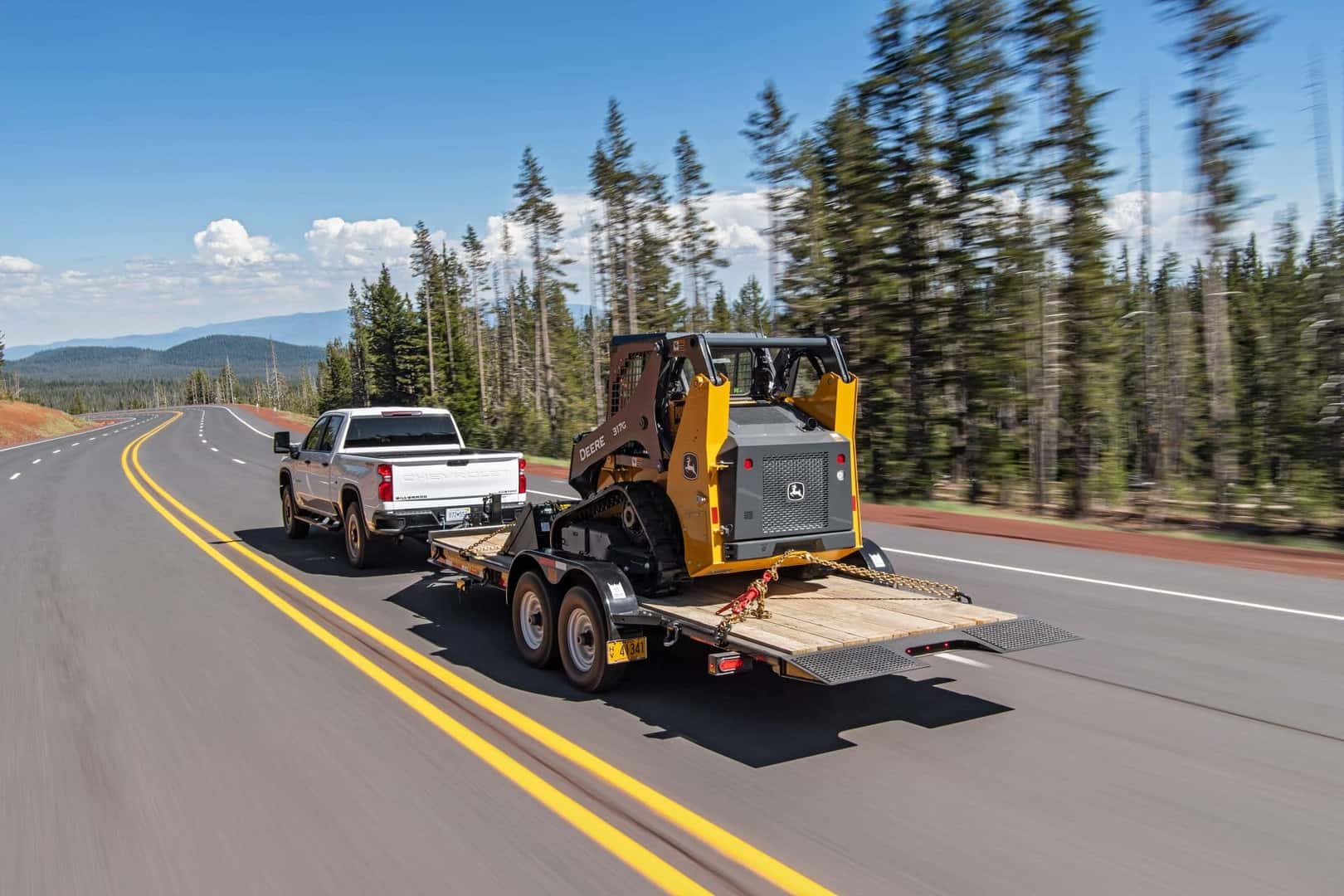
Another important factor to consider is weight balance, which we lightly touched on before. Towing experts say it is best to have a 60/40 weight split, with 60% of the trailer’s weight forward and 40% at the rear. This allows for proper control and limits the amount of sway a trailer can have. Too much weight in the rear will make the rear of the trailer less controllable, inducing not just sway but also poor tire wear. Proper control of what you’re towing is essential to reducing incidents and potential life-changing accidents on the road.
Contact Sharp Automotive for More Information
To learn more about proper towing habits and accessories, contact a salesperson or the parts department at Sharp Automotive to get expert advice on your new Chevrolet, GMC, or Toyota vehicle that you intend to tow with.
Why Choose Sharp Automotive
At Sharp Automotive, we offer our customers some of the best prices and services around. With dozens of new and used vehicles to choose from, our excellent sales team and finance department will work hard to ensure you drive away happily. Our fantastic service department will take care of your new-to-you vehicle as if it were their own.
We look forward to serving you soon.
0 comment(s) so far on Understanding Tongue Weight Capacity: When Towing Saves Lives